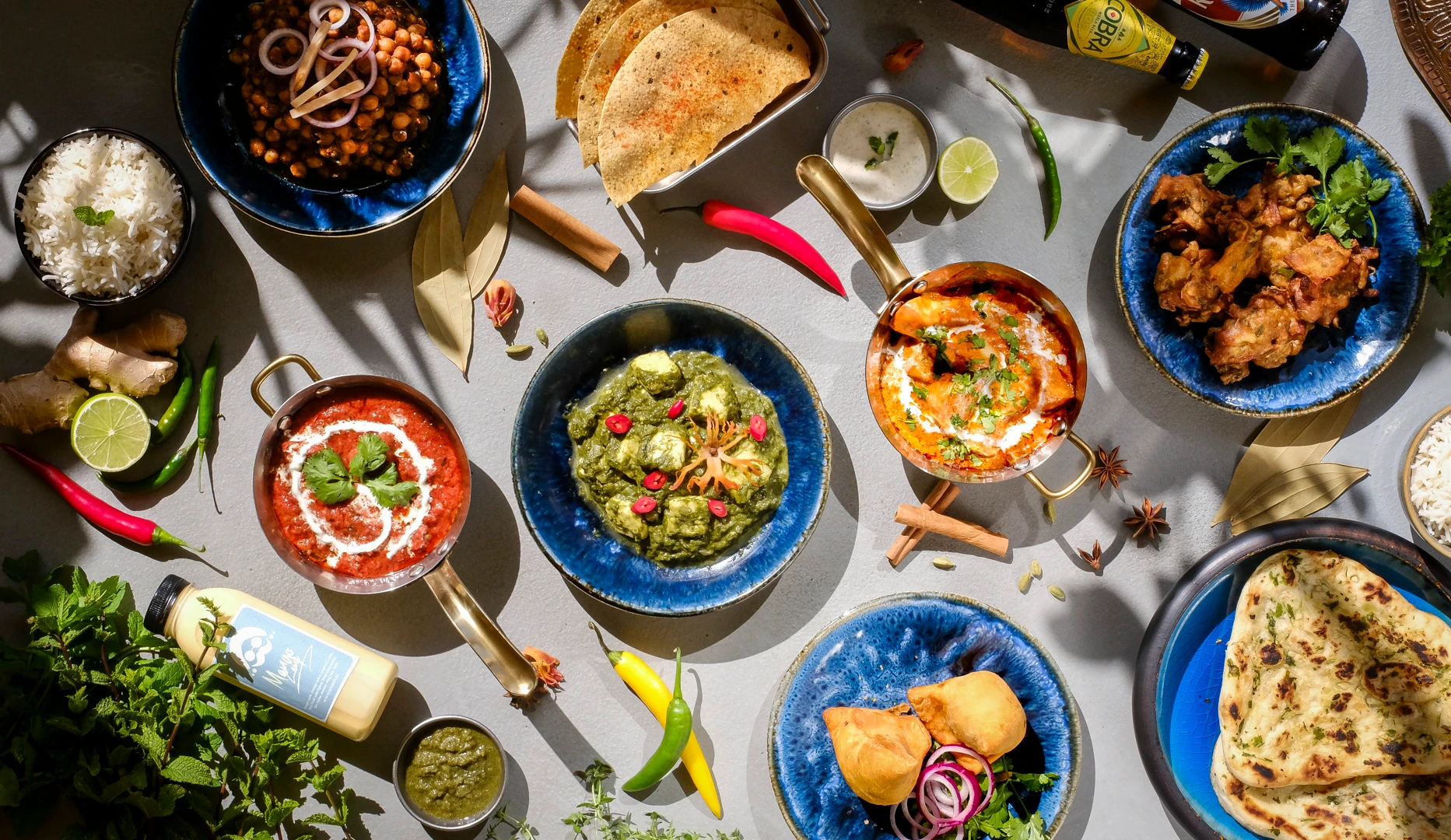
Leftover curry, naan and rice need different handling. Start with the part that matters most: cool food you plan to keep promptly, store it in the fridge, and reheat it until it is steaming hot all the way through. The Danish Food Administration gives the same advice for food kept at home. If you are unsure how long a takeaway dish has been out of the fridge, do not try to make it safe by reheating it.
Before you reheat: store the leftovers properly
Put leftovers into clean, shallow containers and refrigerate them promptly. The Danish Food Administration recommends keeping chilled leftovers at no more than 5 °C and letting hot food steam off only briefly before refrigerating it. Rice deserves extra care because Bacillus cereus spores can survive cooking, and poor cooling can allow toxins to form.
See the official advice on cooling food promptly and Bacillus cereus.
Reheating curry
Transfer the amount you plan to eat to a saucepan. Warm it gently, stir so the centre heats as well as the edges, and check that it is steaming hot throughout before serving. If the sauce becomes too thick, a little water can help its texture. A microwave is also possible: cover the dish, stir partway through, and check for cold spots. The time depends on the portion and your equipment, so a fixed number of minutes would be misleading.
These are general handling tips, not a claim about the recipe or preparation method of a particular dish at Inder'n. The Danish Food Administration's home reheating advice explains why thorough heating matters.
Reheating naan and fried sides
If your naan was stored safely, try a dry pan over moderate heat and turn it until warm throughout. For a fried side such as a samosa, an oven or air fryer can help restore its crispness. Follow the appliance instructions, check the centre, and avoid relying on the outside looking hot.
Take extra care with rice
Rice is best eaten fresh. If you intend to keep it, only do so when you know it was cooled quickly and refrigerated. The UK Food Standards Agency advises chilling cooked rice as quickly as possible, keeping it refrigerated for no more than one day before reheating, reheating it only once, and checking that it is steaming hot throughout. It also cautions that takeaway rice may already have been reheated before sale, so you should not assume it can safely be reheated again.
Read the Food Standards Agency's rice and leftovers guidance. If you do not know how the rice was handled, discard it rather than risk another reheating.
Ordering in Kastrup
Inder'n is at Sirgræsvej 4, 2770 Kastrup. You can see the current menu and ordering options on our website. Pickup is available through the restaurant's own ordering flow; Wolt and Uber Eats show delivery availability, timing and fees for your address. For questions about a dish or a larger order, call 50 29 13 71.
Quick answers
How should I reheat leftover curry?
Store it safely first. Reheat the portion you need, stir it, and make sure it is steaming hot throughout before serving. If you do not know how long it sat unrefrigerated, discard it.
Can I reheat takeaway rice?
Only if you know it was cooled and stored safely and has not already been reheated. The Food Standards Agency advises extra caution with takeaway rice and says never to reheat rice more than once.
Where can I order Indian food in Kastrup?
See Inder'n's current menu and pickup and delivery options. The kitchen is at Sirgræsvej 4, 2770 Kastrup.